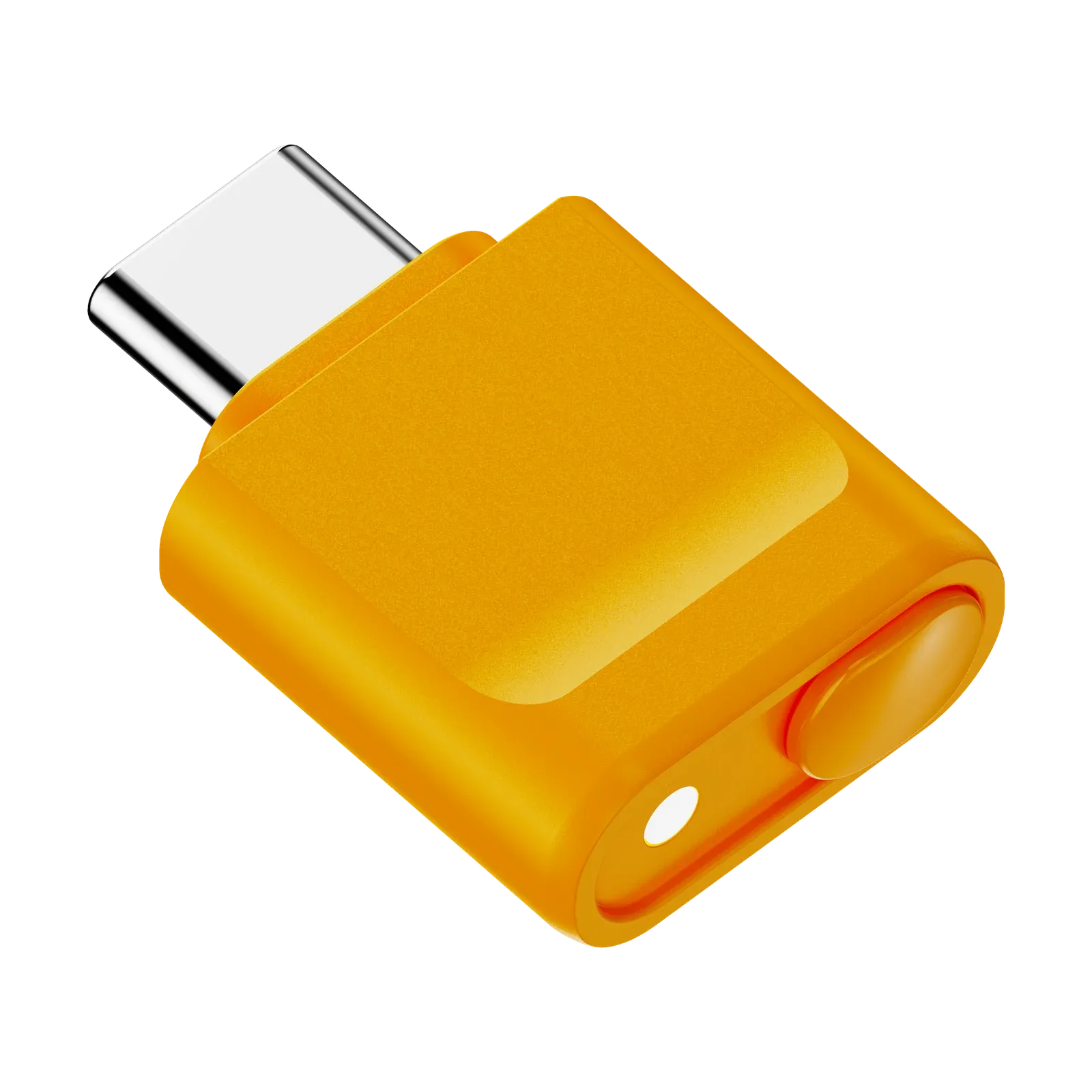
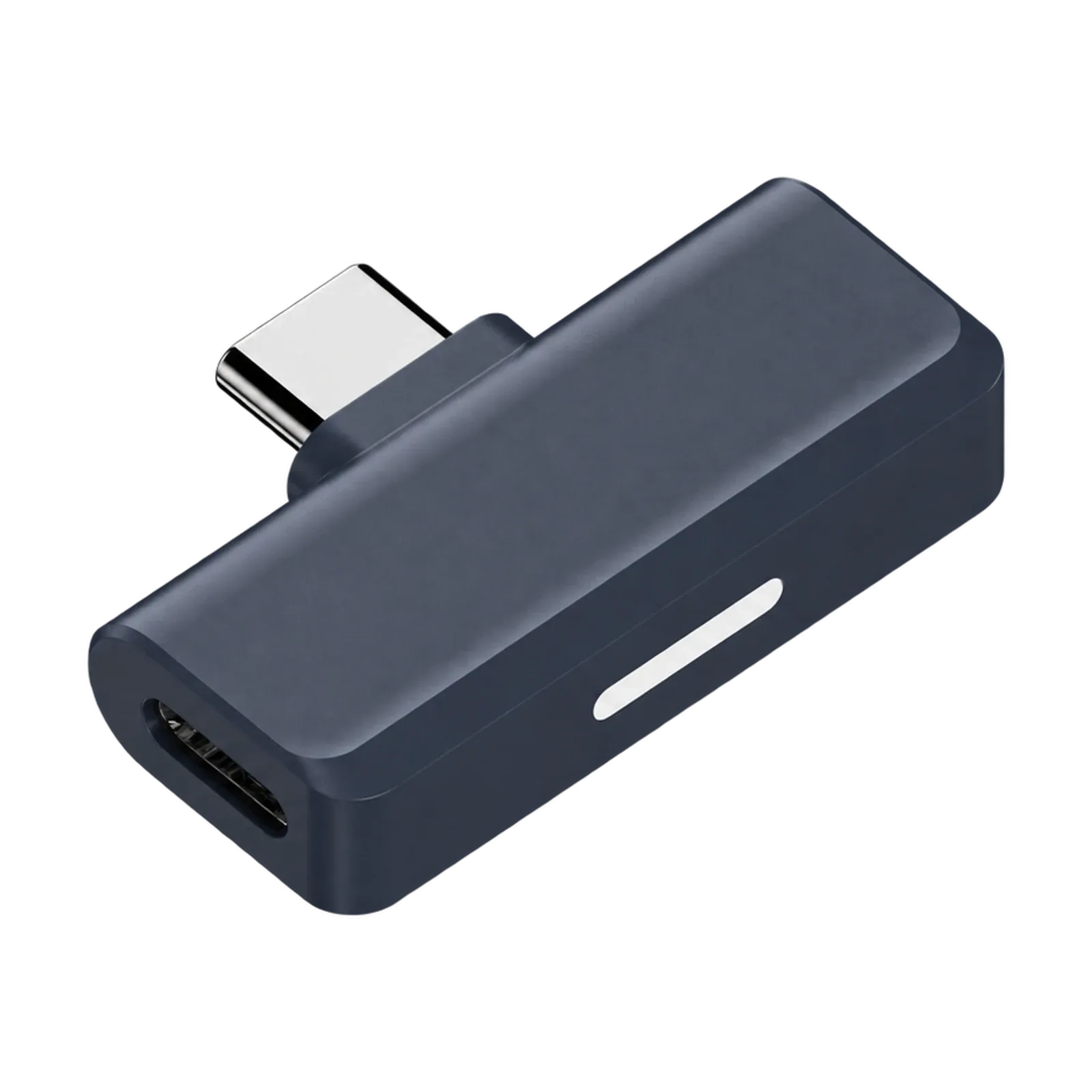
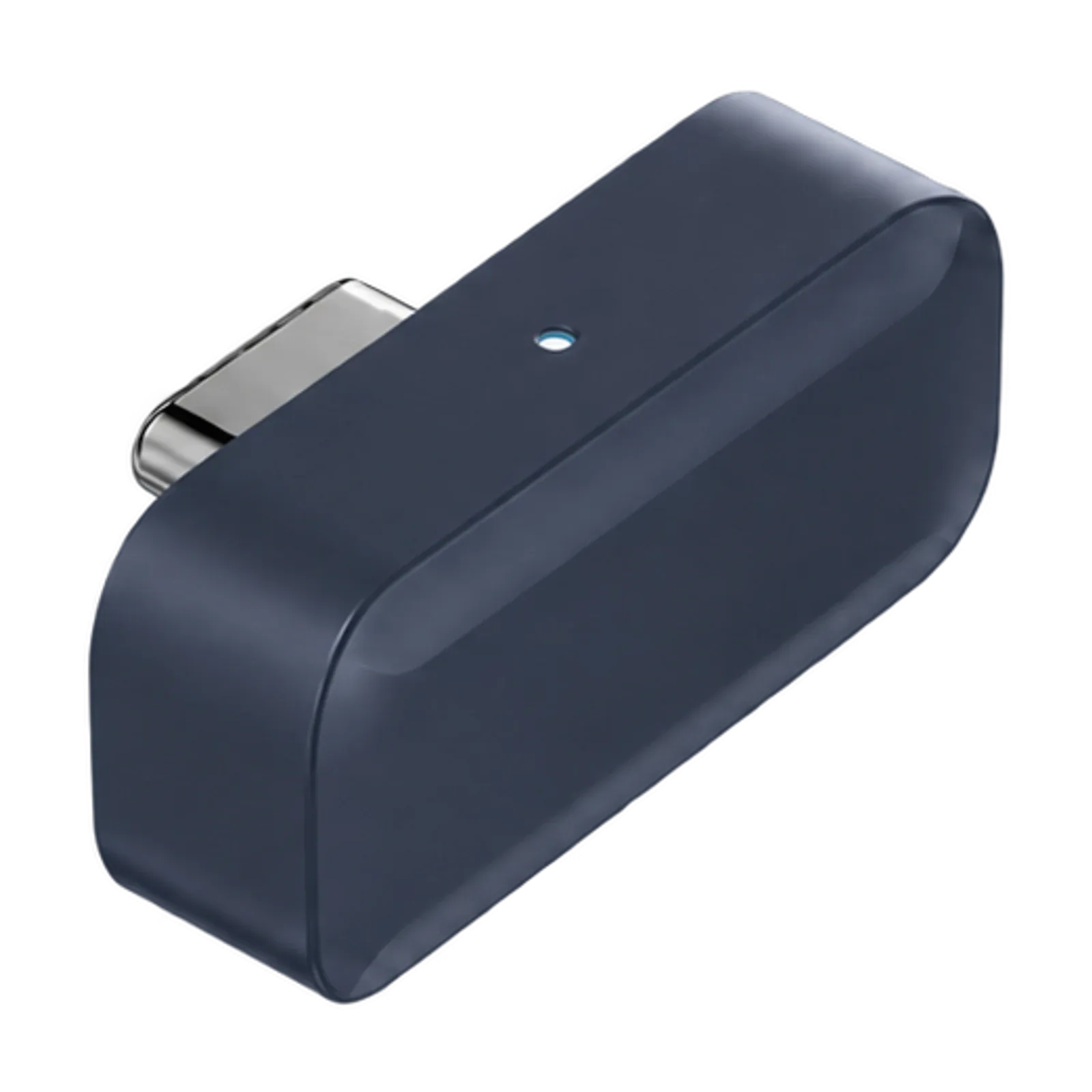
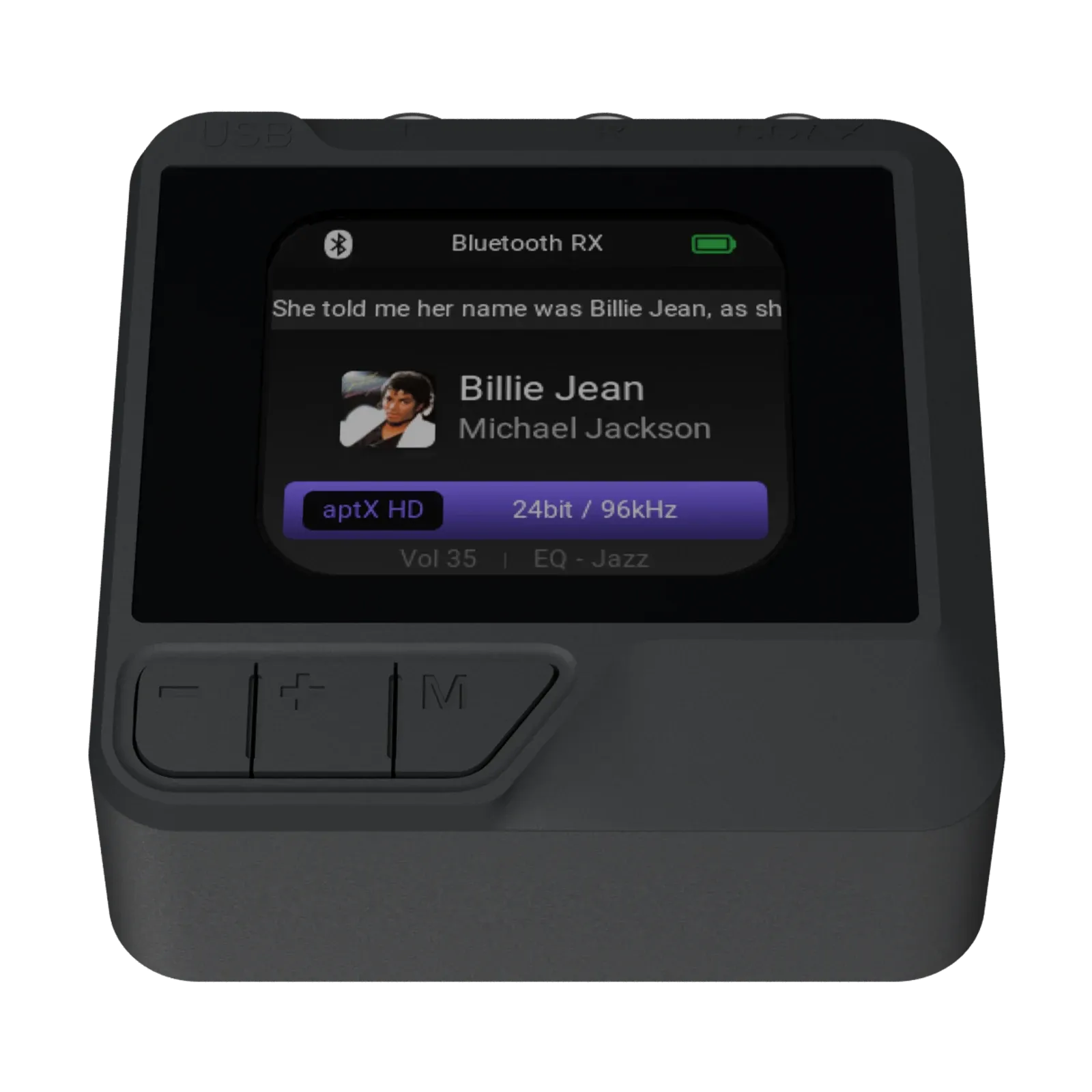
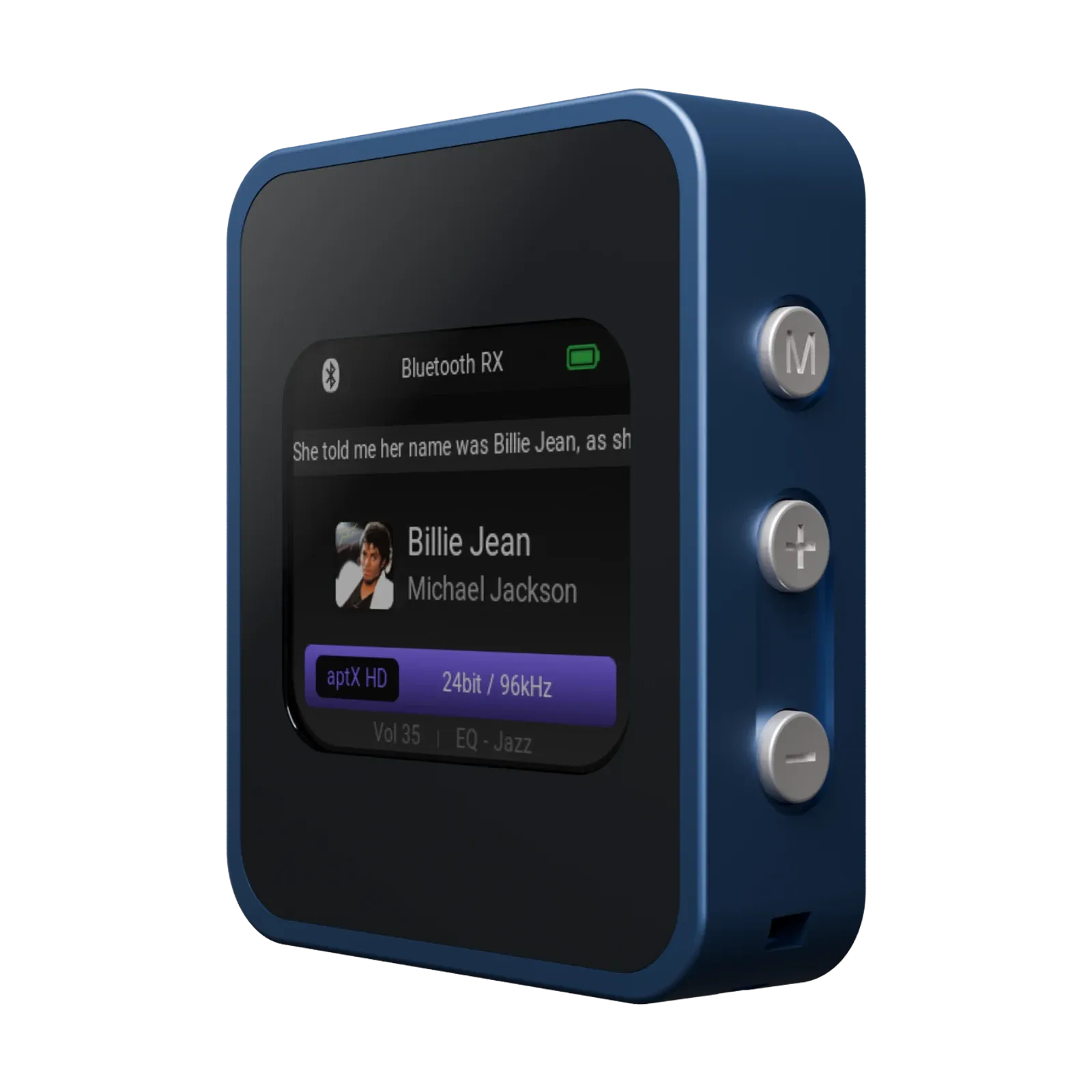
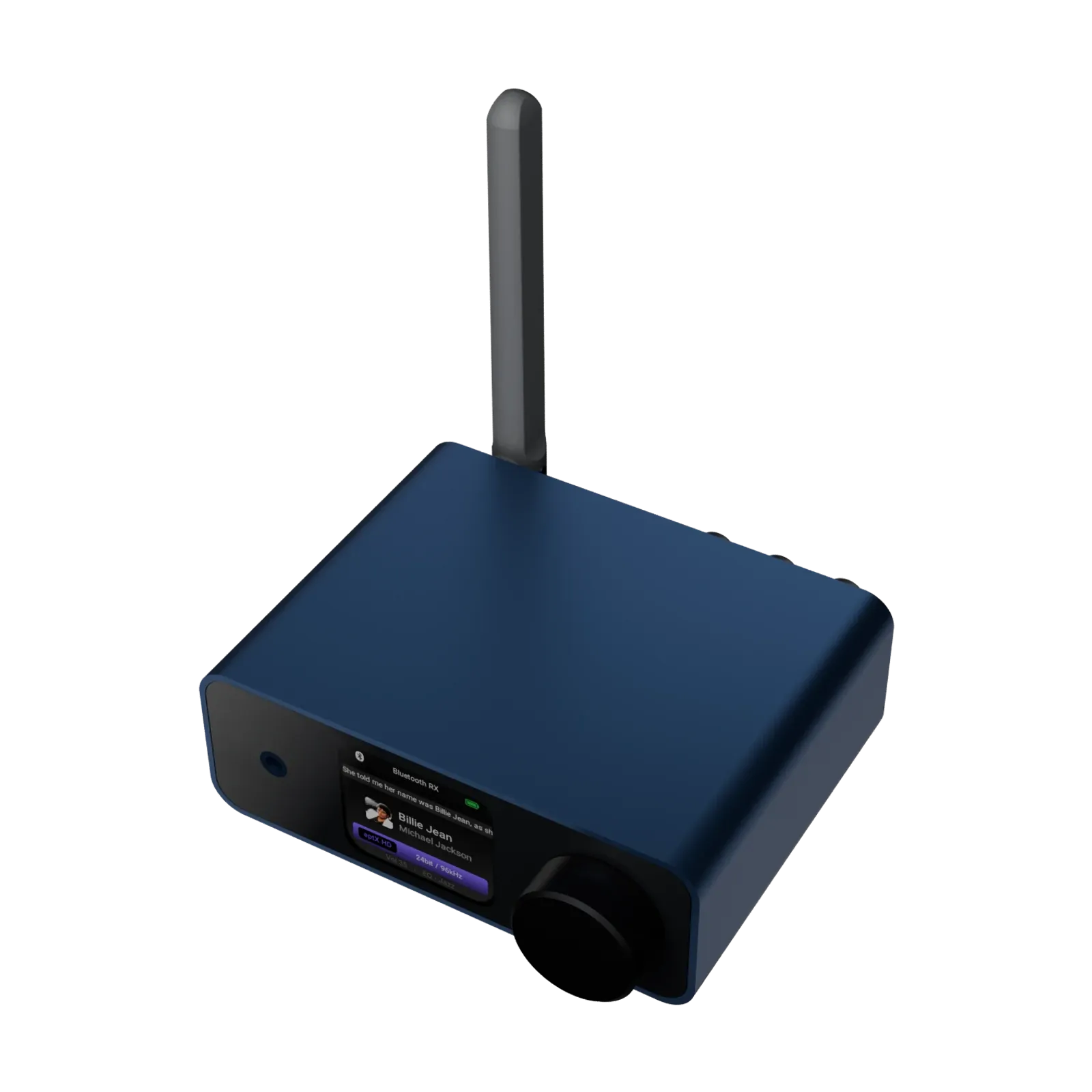
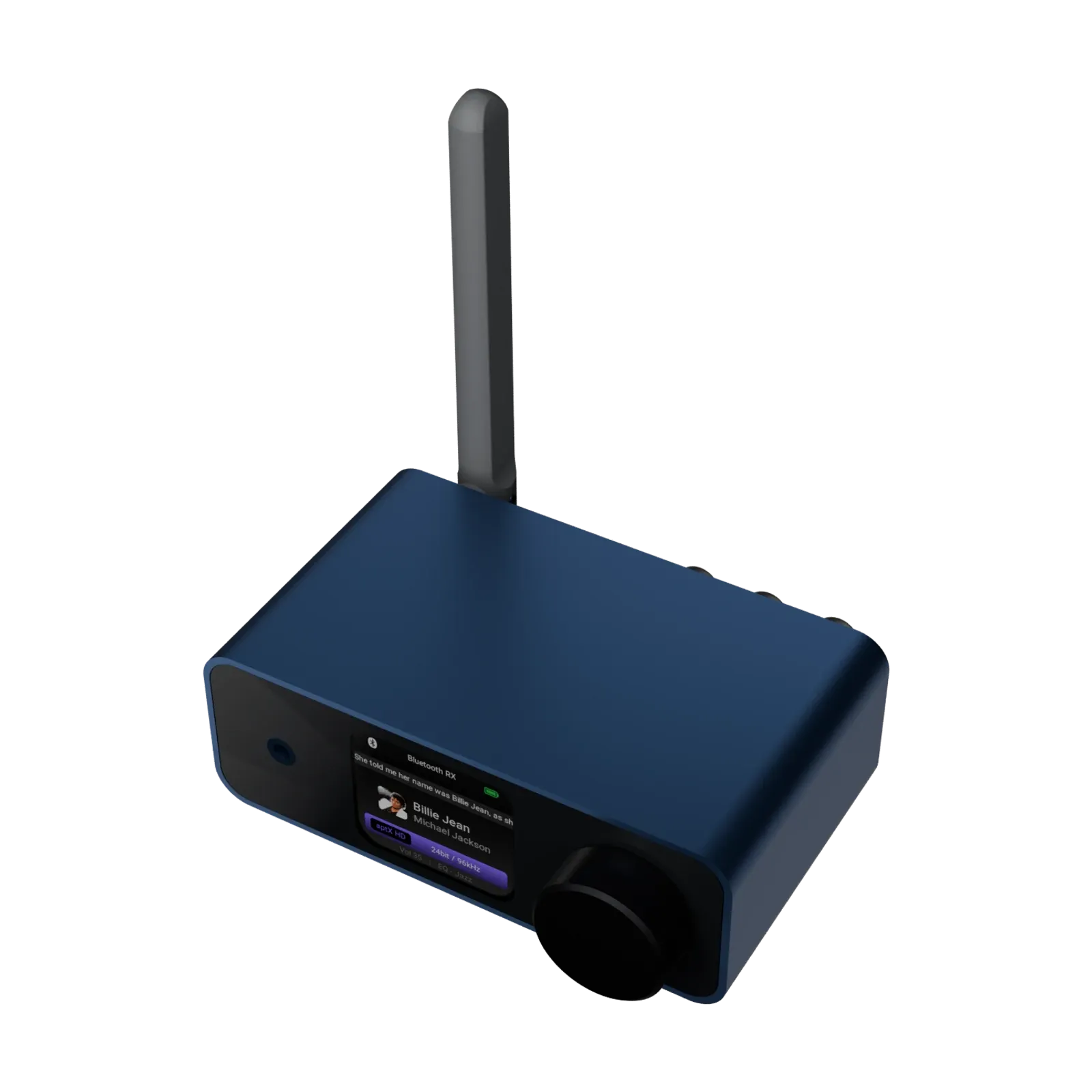
Auracast is the broadcast feature of Bluetooth LE Audio. Instead of pairing one source with one headphone, a transmitter sends a single audio stream that any number of Auracast receivers nearby can join. Broadcast audio uses the LC3 codec.
Auracast is gigawit’s main technology focus. We build both ends of the link, so a brand can get a complete Auracast line from one supplier, with interoperability between the two sides handled by one team. Browse Auracast products.
Transmitters
Transmitters bring Auracast to sources that do not have it built in.
- Dongles: USB-C transmitters that plug into a phone, tablet or computer and broadcast its audio.
- Transceivers: desktop transmitters that take audio from a TV, computer or hi-fi system over USB, optical, coaxial, RCA or HDMI ARC, and broadcast it.
Receivers
- Transceivers: home and portable receivers that join a broadcast and play it through an amplifier, powered speakers or a hi-fi system.
- Headphones, earbuds and speakers: Auracast receive for personal listening and shared sound.
Broadcast control
- Encrypted broadcasts: a broadcast can be protected with a password, so only people who know it can listen. On our transmitters you set the broadcast name that receivers see and the password.
- Broadcast assistant: many receivers have no screen to pick a broadcast from. A phone app does it for them: it lists nearby broadcasts and lets the listener choose and join one. Our own app, Gigawit Control, handles broadcast setup today, and the same capability can ship in a brand’s own app. See App.
Where it is used
- Home: share TV sound with several pairs of headphones, each at its own volume, without disturbing the rest of the house.
- Parties: one phone feeding several speakers at once.
- Public spaces: airports, gyms and meeting rooms, where a screen or announcement system broadcasts and visitors listen on their own earbuds.
Interoperability
Auracast is an open standard, but implementations differ between phones, TVs and other brands’ devices. We test our transmitters and receivers with each other and with third-party devices. A list of tested phones, TVs and Auracast devices will be published on this page.
What it means for the listener
Sharing sound becomes as simple as joining a broadcast: no one-to-one pairing, no limit on how many people listen, and a password when the audio should stay private.