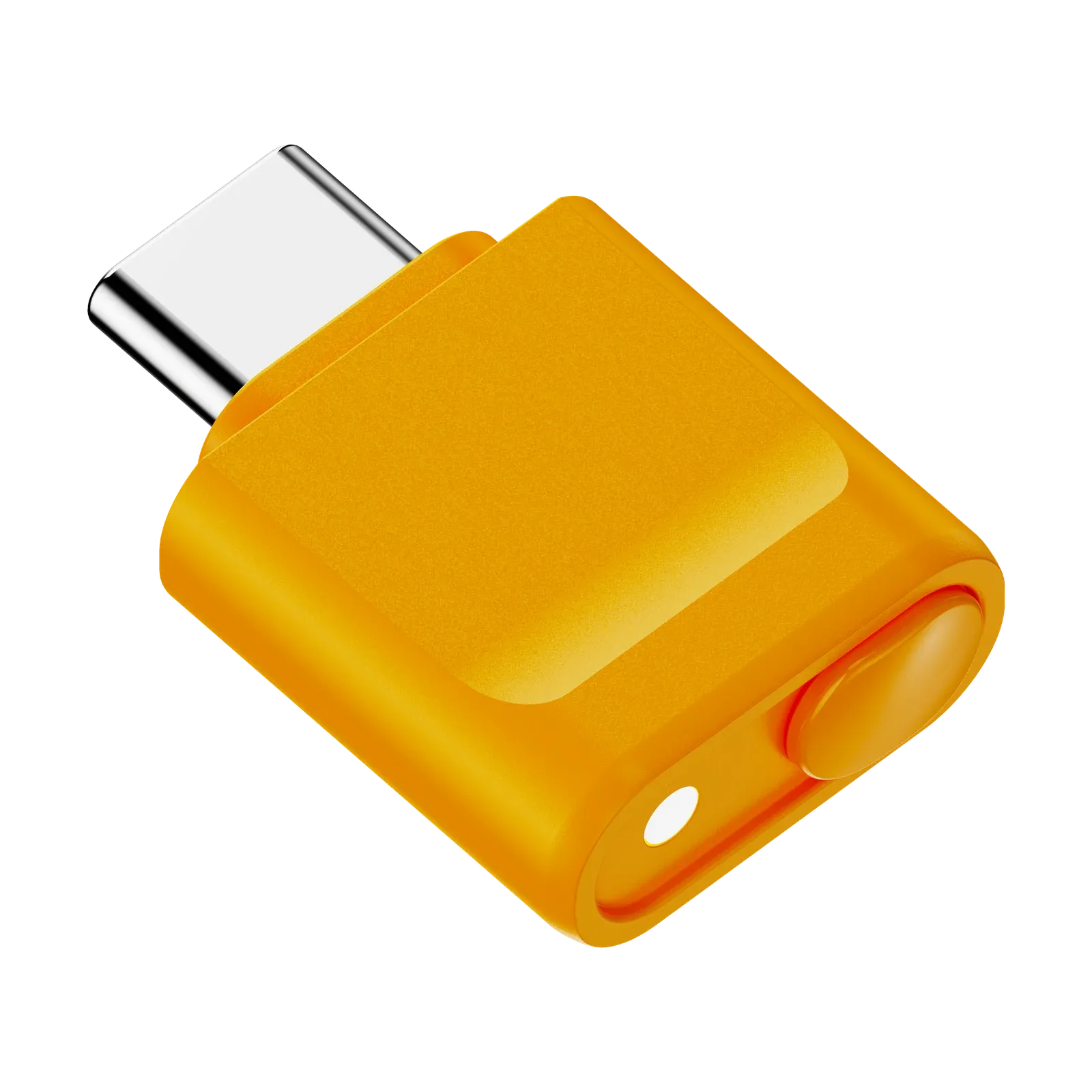
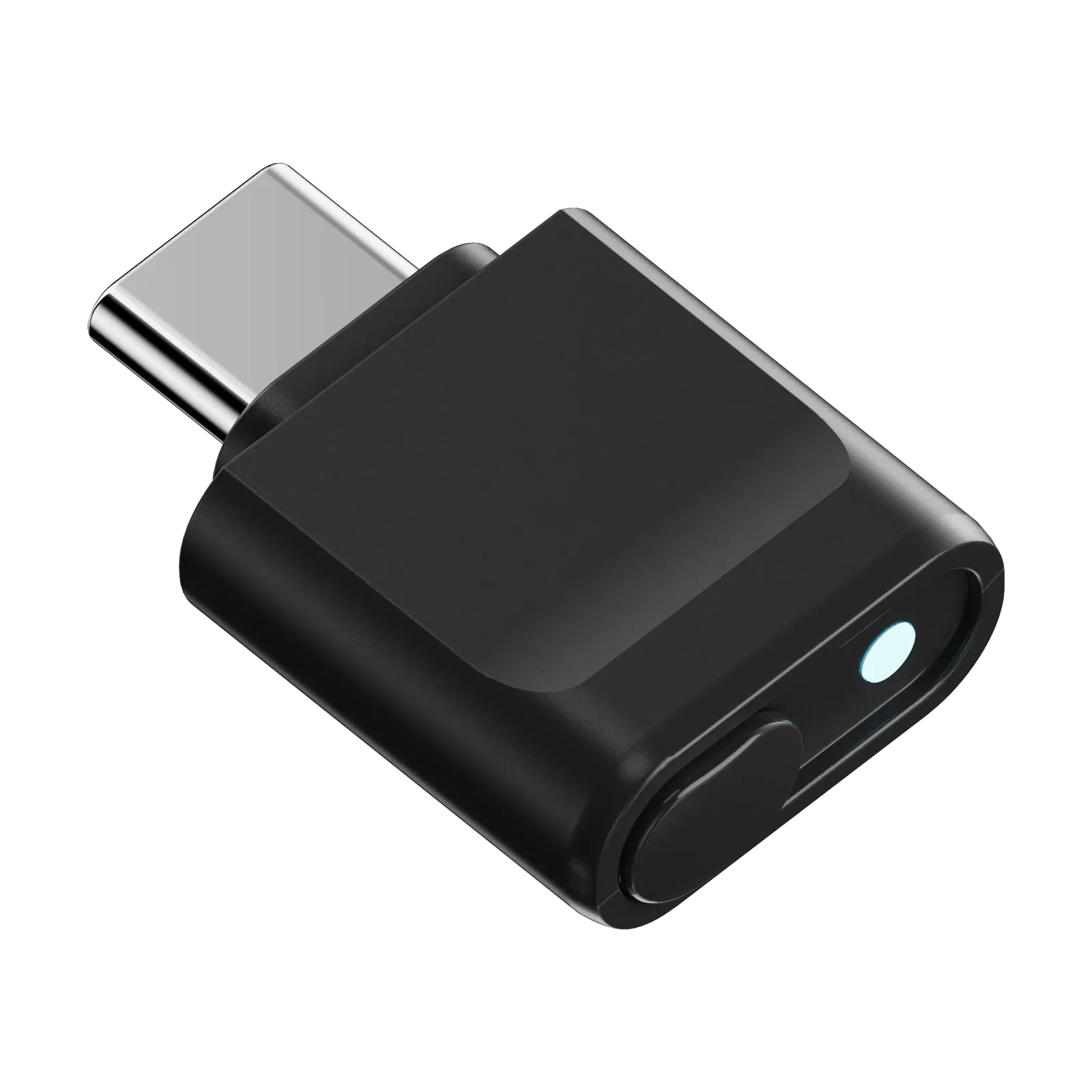
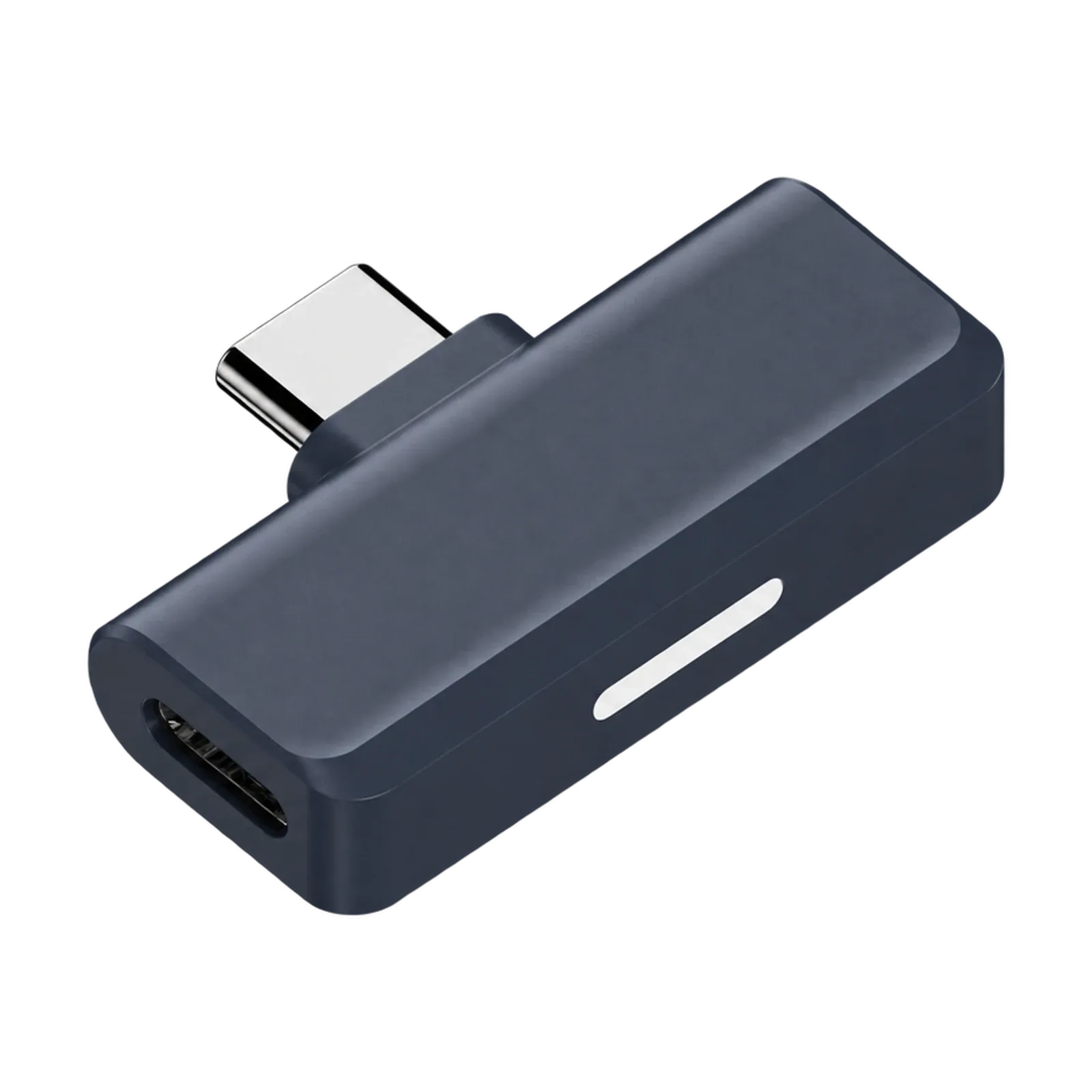
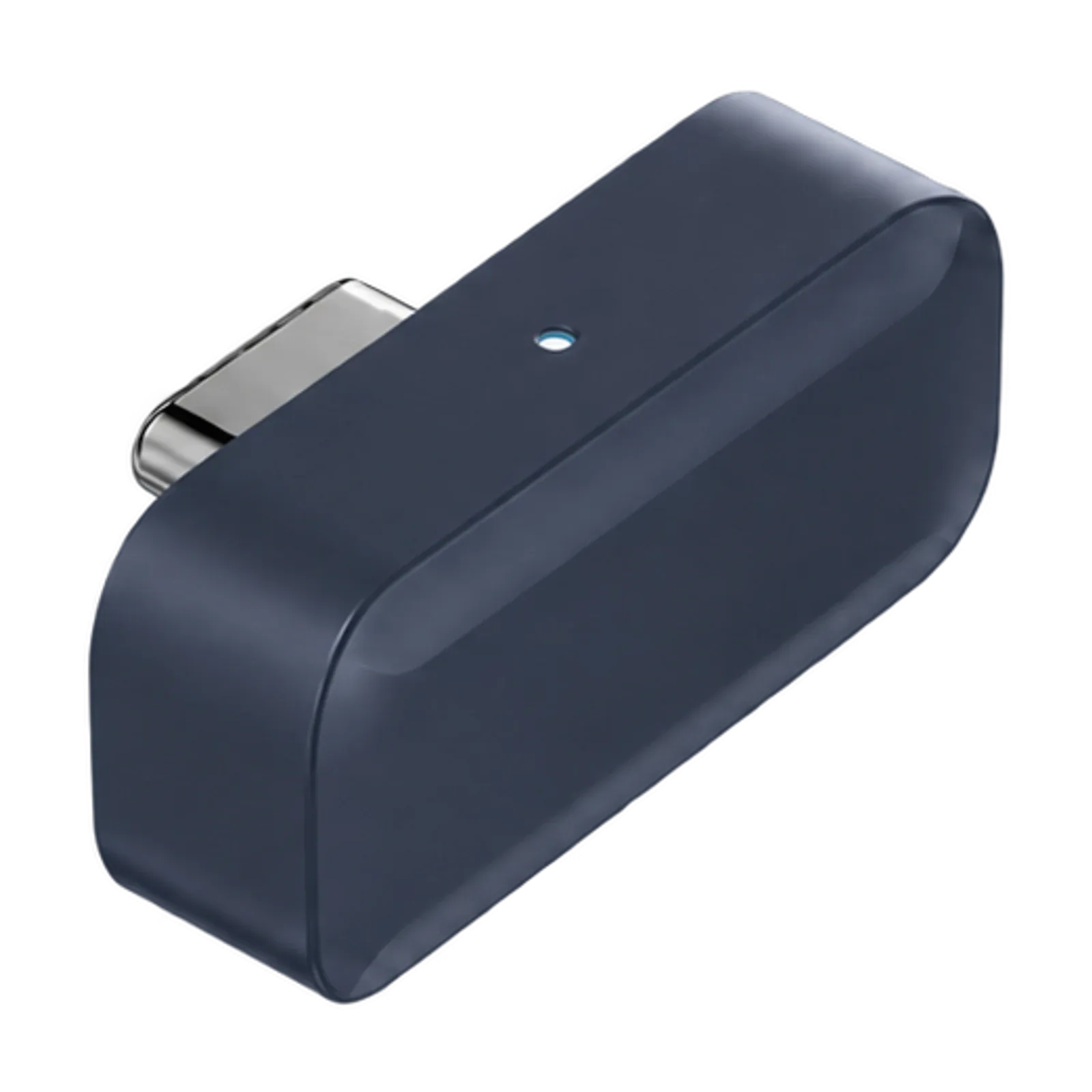
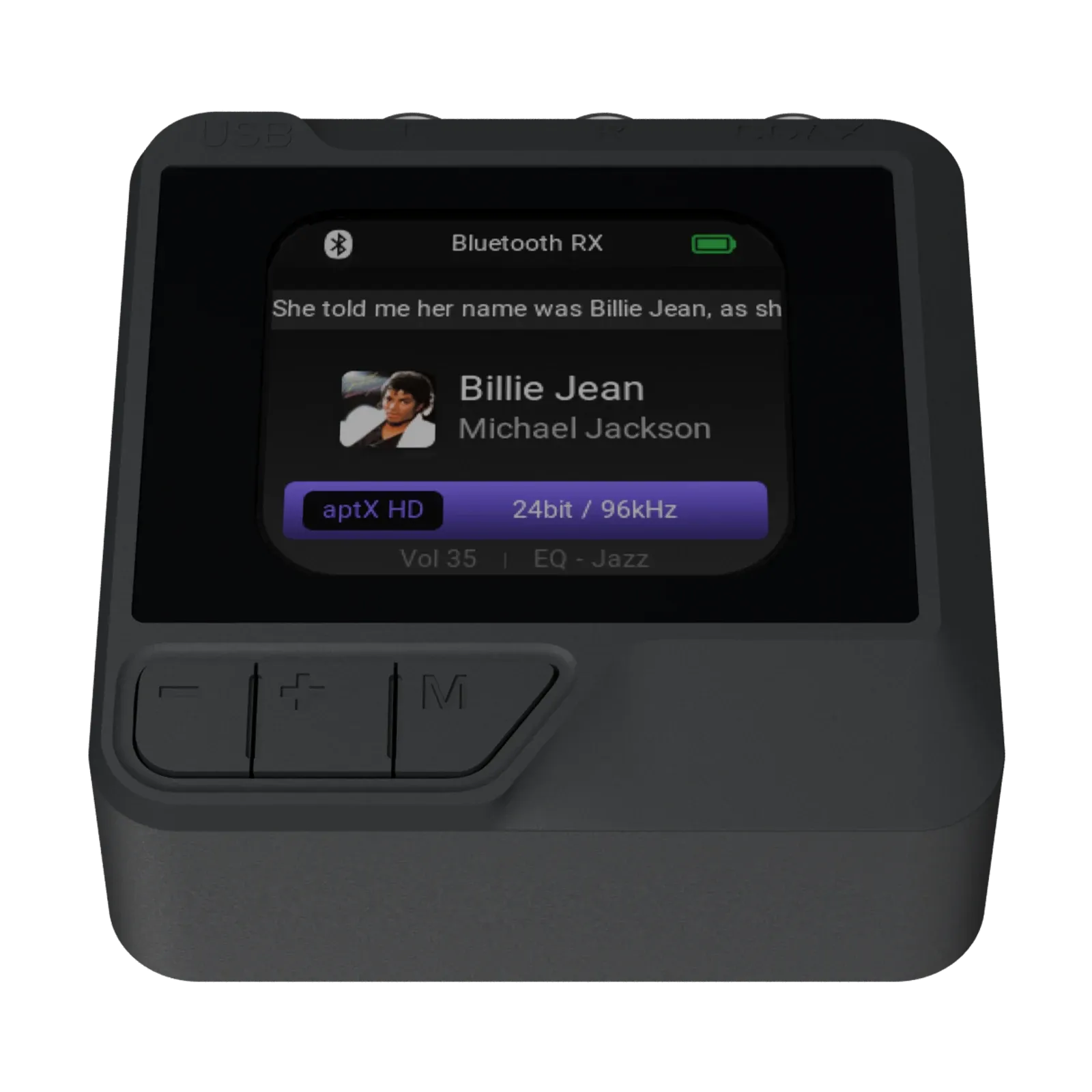
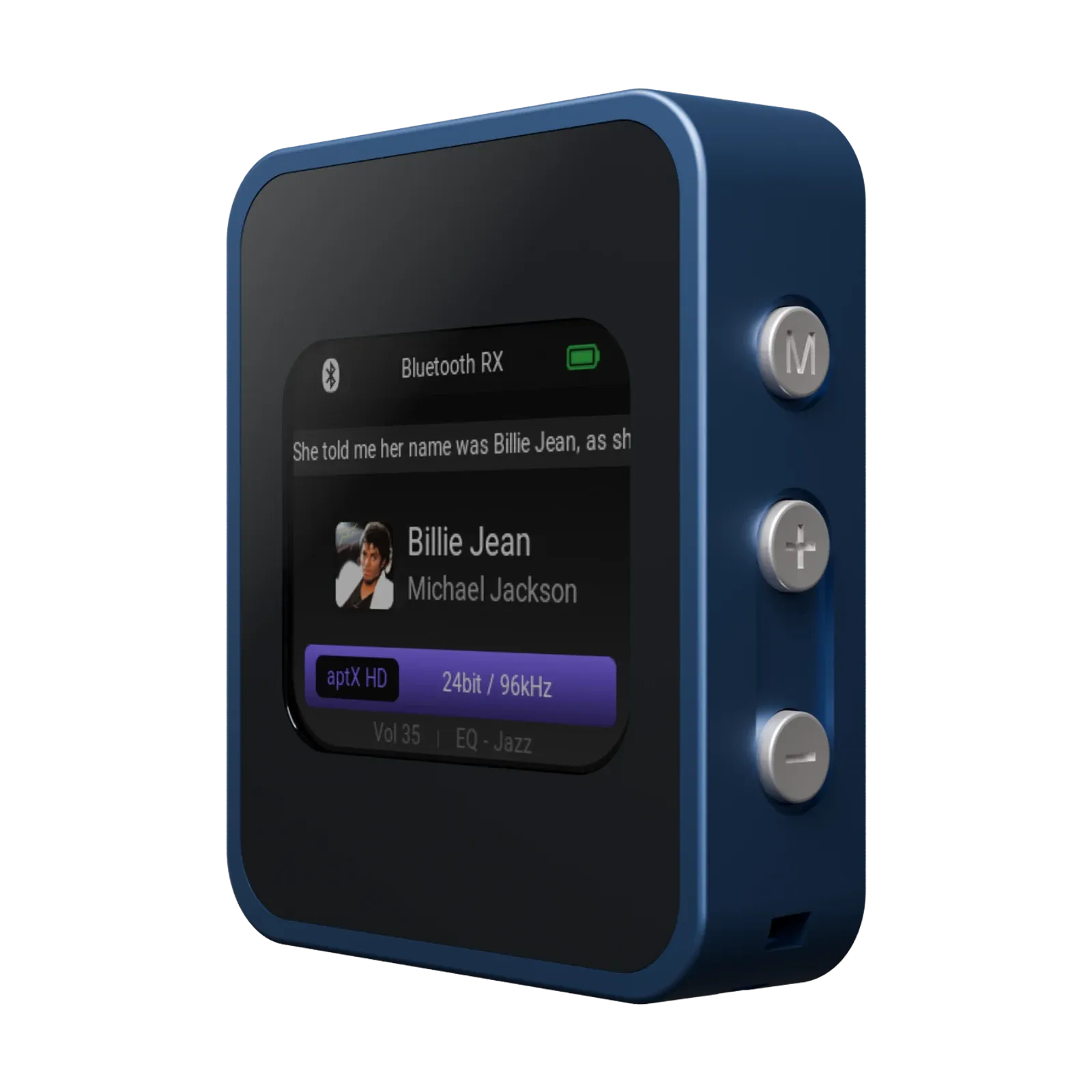
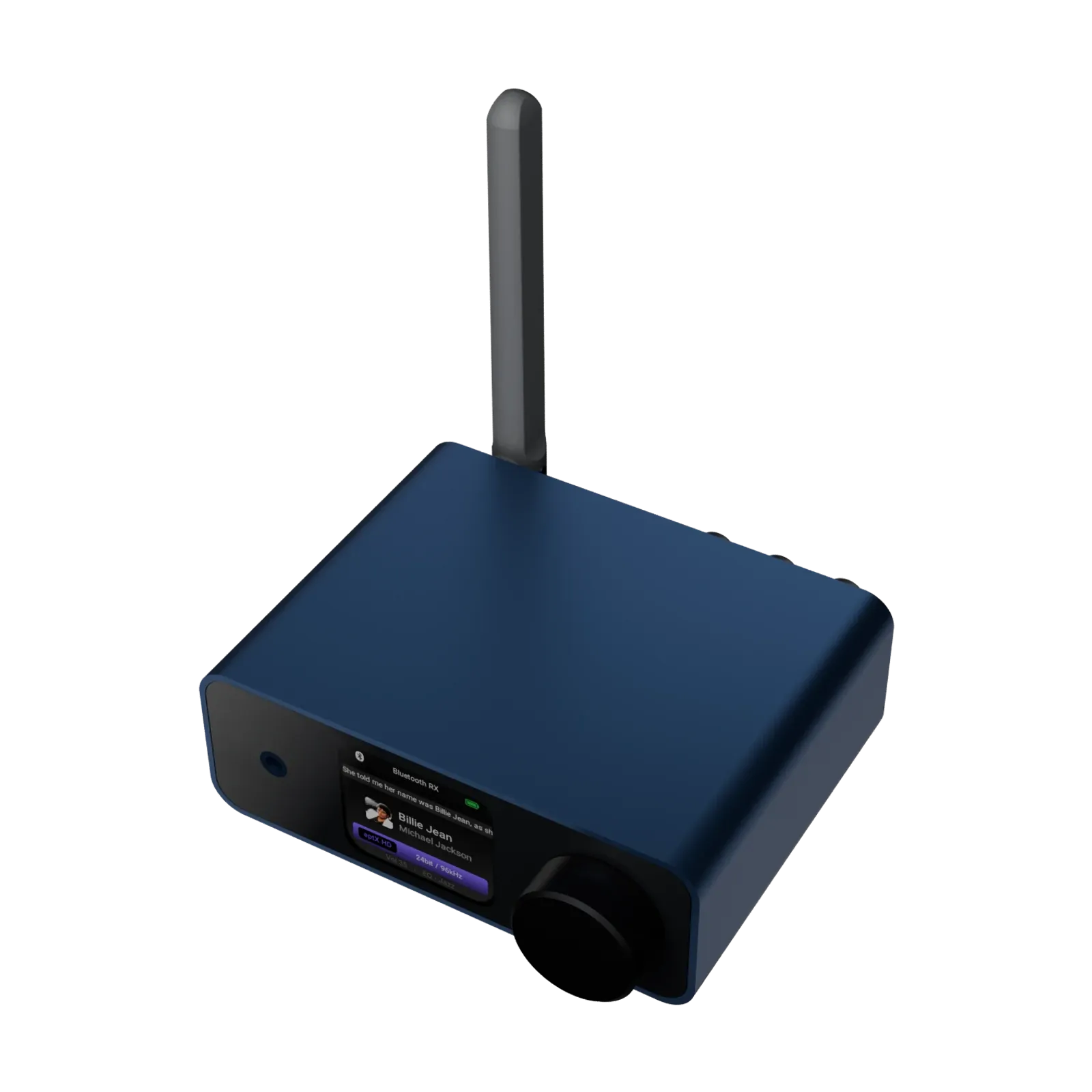
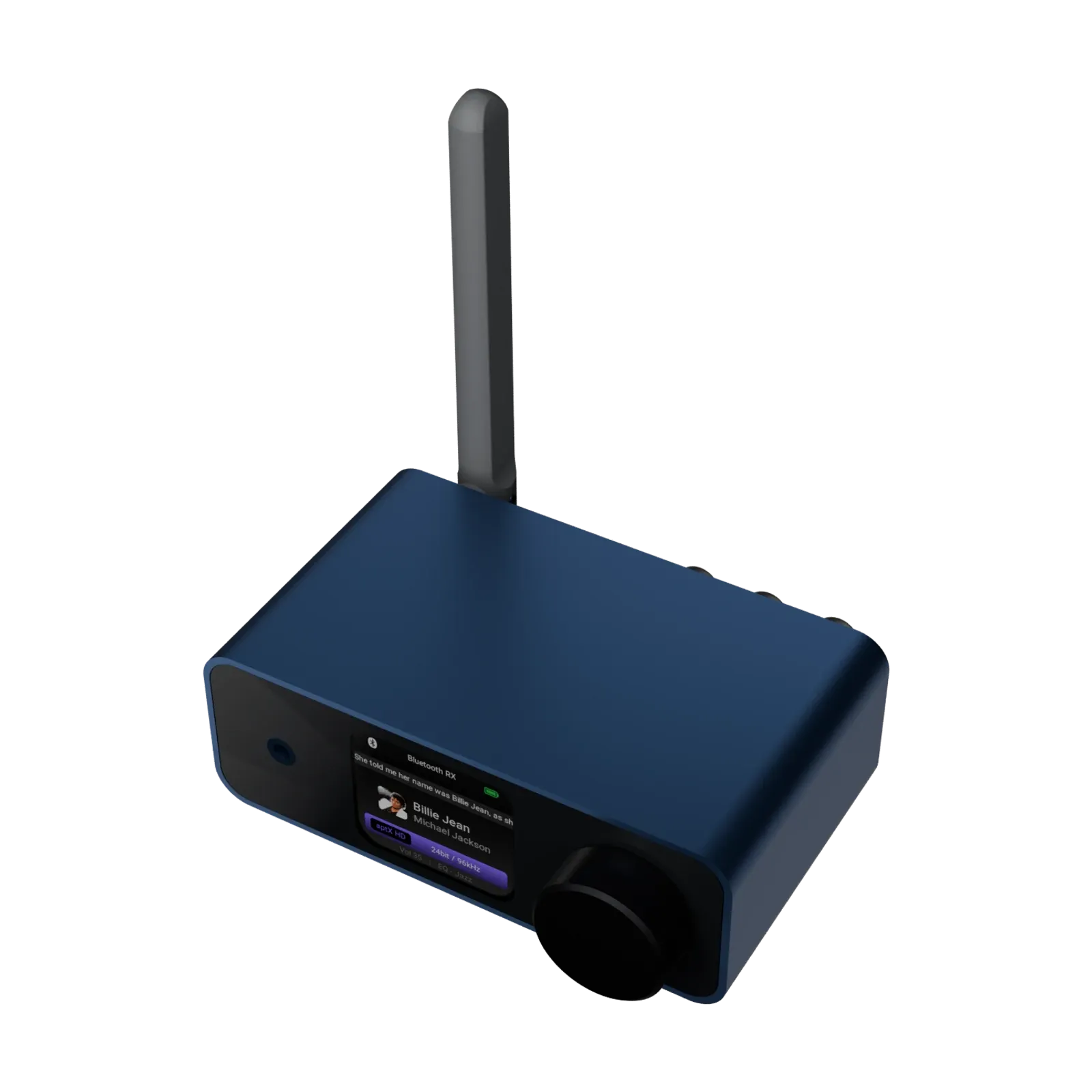
Every gigawit product runs Bluetooth firmware written by our own team. We build on standard Qualcomm QCC chip platforms, so brands get mature, well-supported silicon. On top of it, we tailor the protocol to how each product is actually used.
Standard protocols, implemented in-house
- Classic Bluetooth audio with the codecs listeners expect: SBC, AAC, the full aptX family and LDAC, which we run on QCC chips.
- LE Audio: Unicast for point-to-point links with better sound quality, lower power and lower latency, and Auracast for broadcast. Auracast is our main focus and has its own page.
- Multipoint, so one product can stay connected to more than one source.
- DSP customization on Qualcomm’s Kymera audio platform, including porting third-party codecs. See Audio algorithms.
- MFi certification support for accessories that need it.
Tailored protocols on standard chips
Standard Bluetooth profiles are designed for general use. Some products need more. A gaming headset has to keep sound in step with the screen, and a wireless subwoofer has to stay locked to the main speakers. For products like these we tailor the protocol itself and run it on the same standard Bluetooth chip. Our 2.4 GHz low-latency products work this way: Bluetooth hardware underneath, with a link designed for the job.
Our own low-latency codec, LightSync, is one example:
- under 20 ms latency in general use
- under 6 ms in a variant tuned for subwoofers
The brand keeps the cost and maturity of a standard platform, and gets an experience a reference design cannot deliver.
Firmware capabilities
- Power optimization: power scheduling is tuned together with component choices, for longer battery life.
- Connection stability: the connection strategy is designed together with the antenna and RF layout, so links hold up in crowded places.
- OTA updates: firmware can be updated in the field through the companion app, over USB or wirelessly, so products get fixes and new features without coming back to us.
- Fast adoption of new specifications: because the stack is ours, new Bluetooth features reach products sooner. We are already tracking Qualcomm’s XPAN technology for whole-home range at earbud-level power.
What it means for the listener
Connections that stay steady, batteries that last longer, sound that keeps pace with video and games, and products that keep getting better after purchase.